NYC Bikeshare
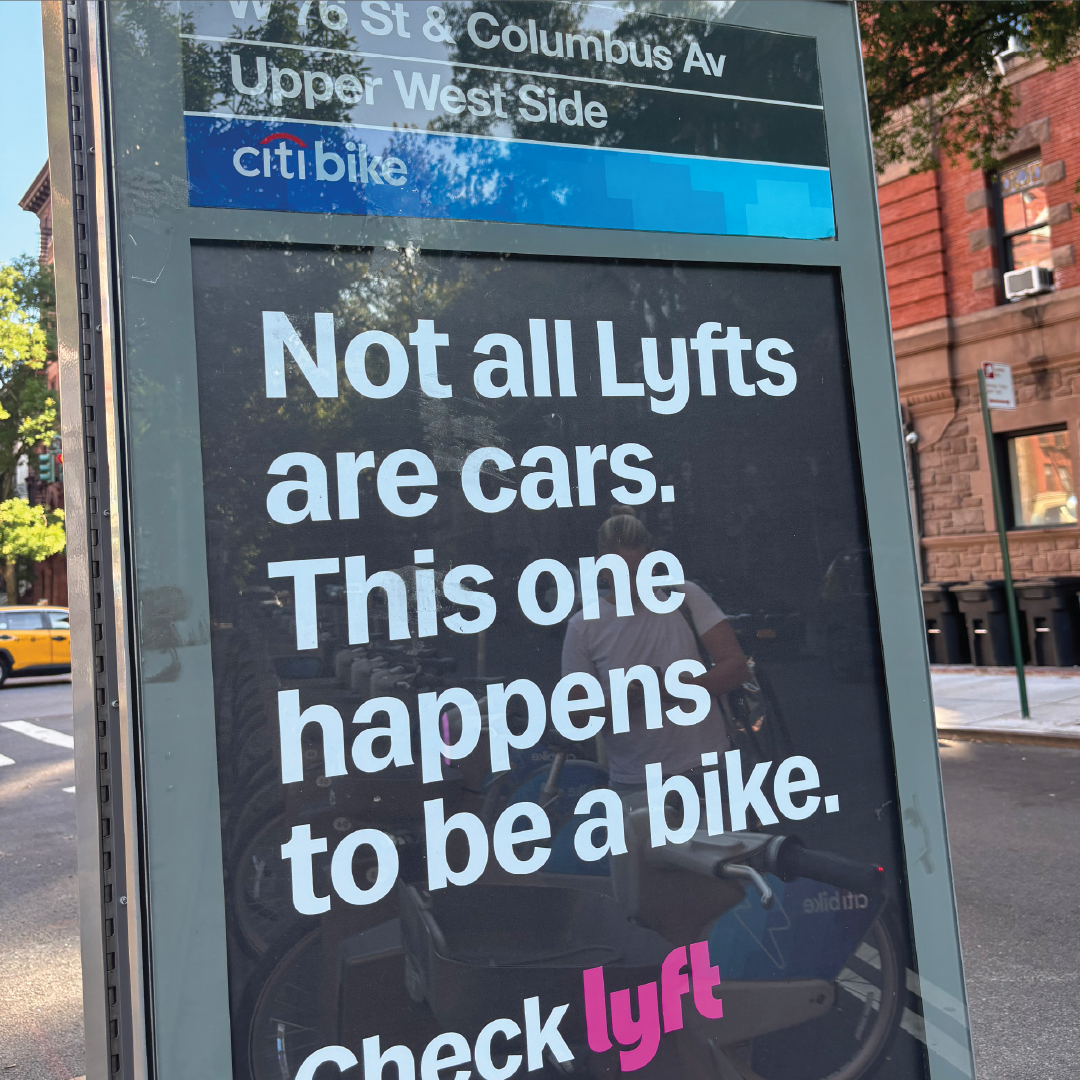
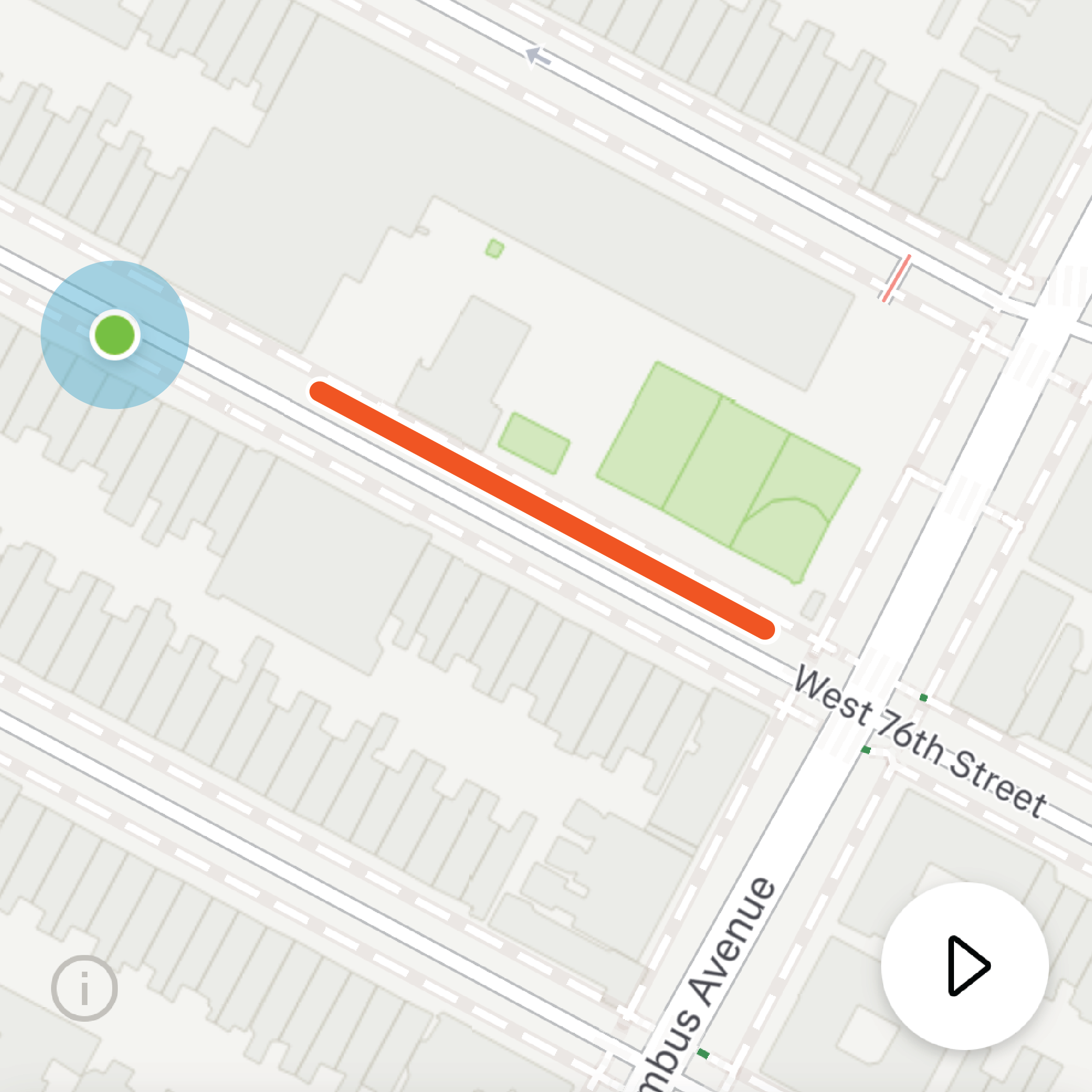
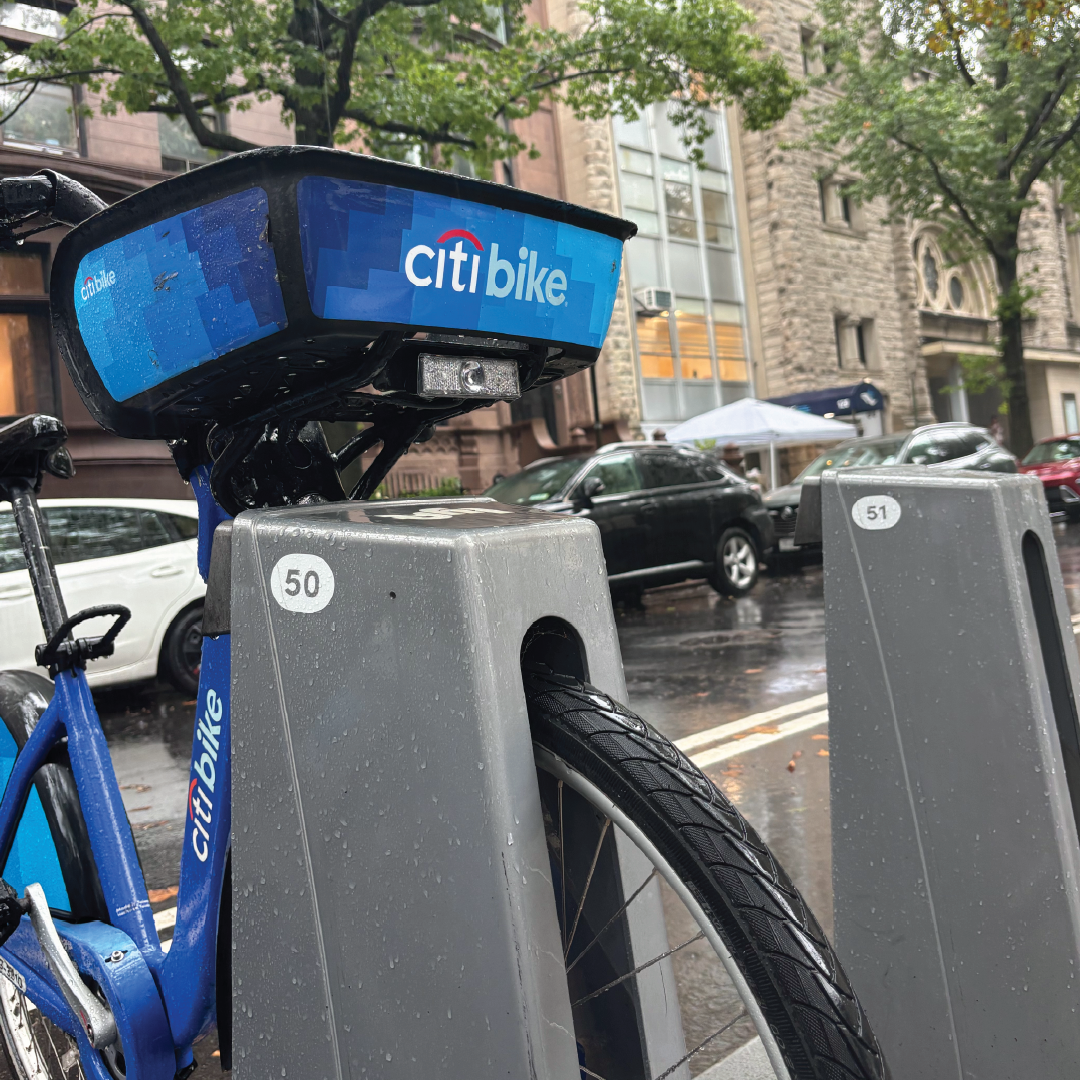
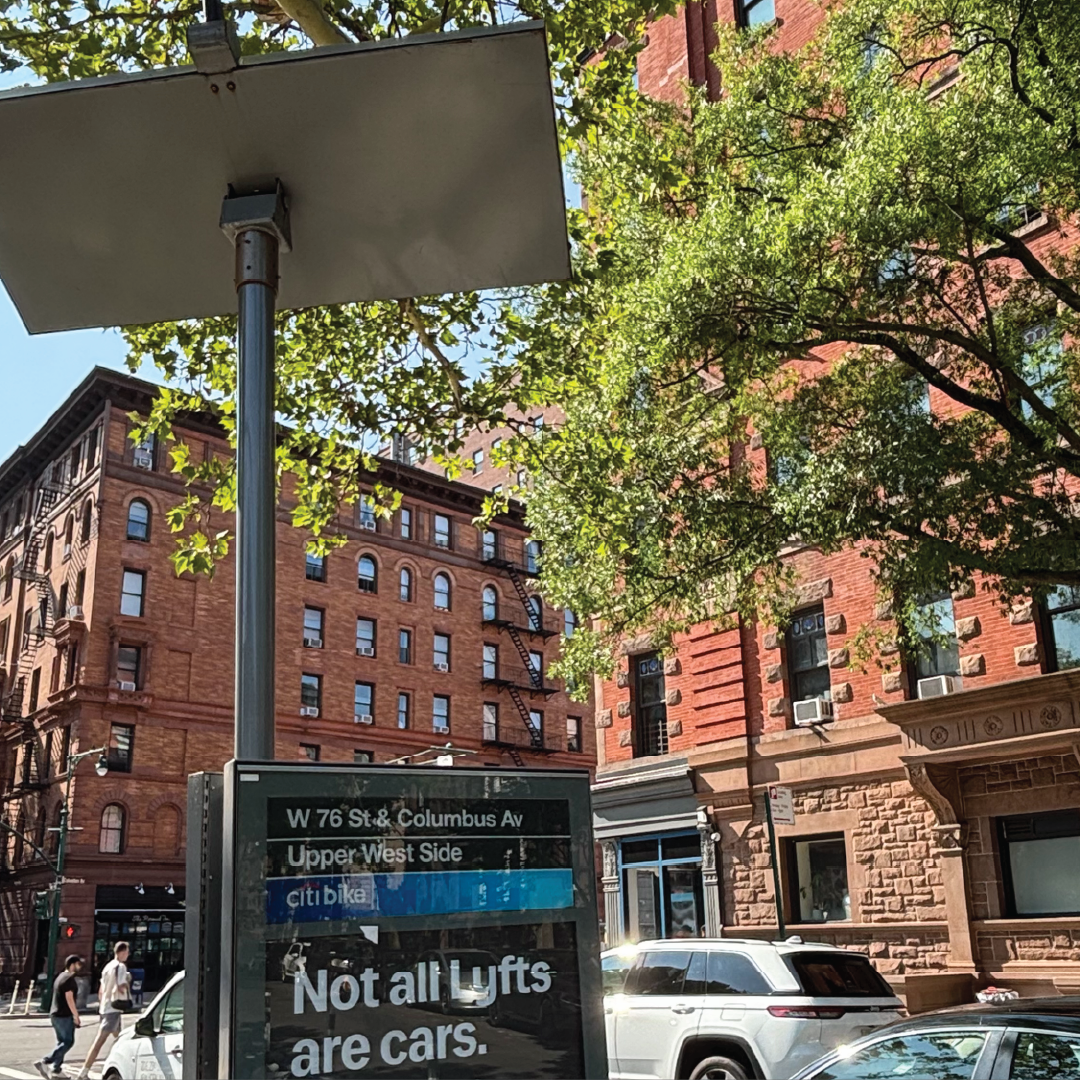
YIMBY! There are powerful Signals of Better right on my home block in New York City — West 76th Street between Columbus and Amsterdam, where we’re proud to host a Citi Bike station with 51 docking ports.

YIMBY! There are powerful Signals of Better right on my home block in New York City — West 76th Street between Columbus and Amsterdam, where we’re proud to host a Citi Bike station with 51 docking ports.
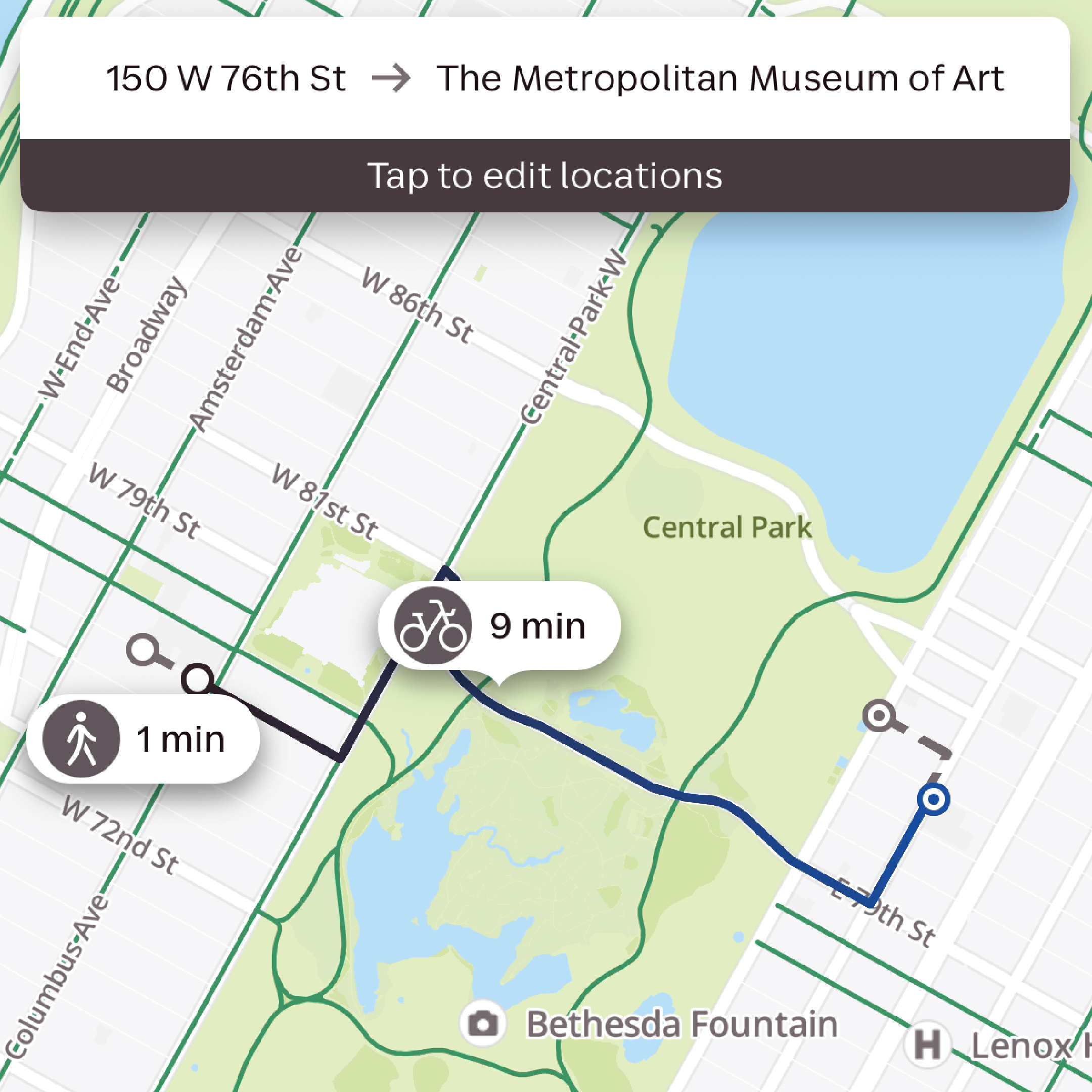
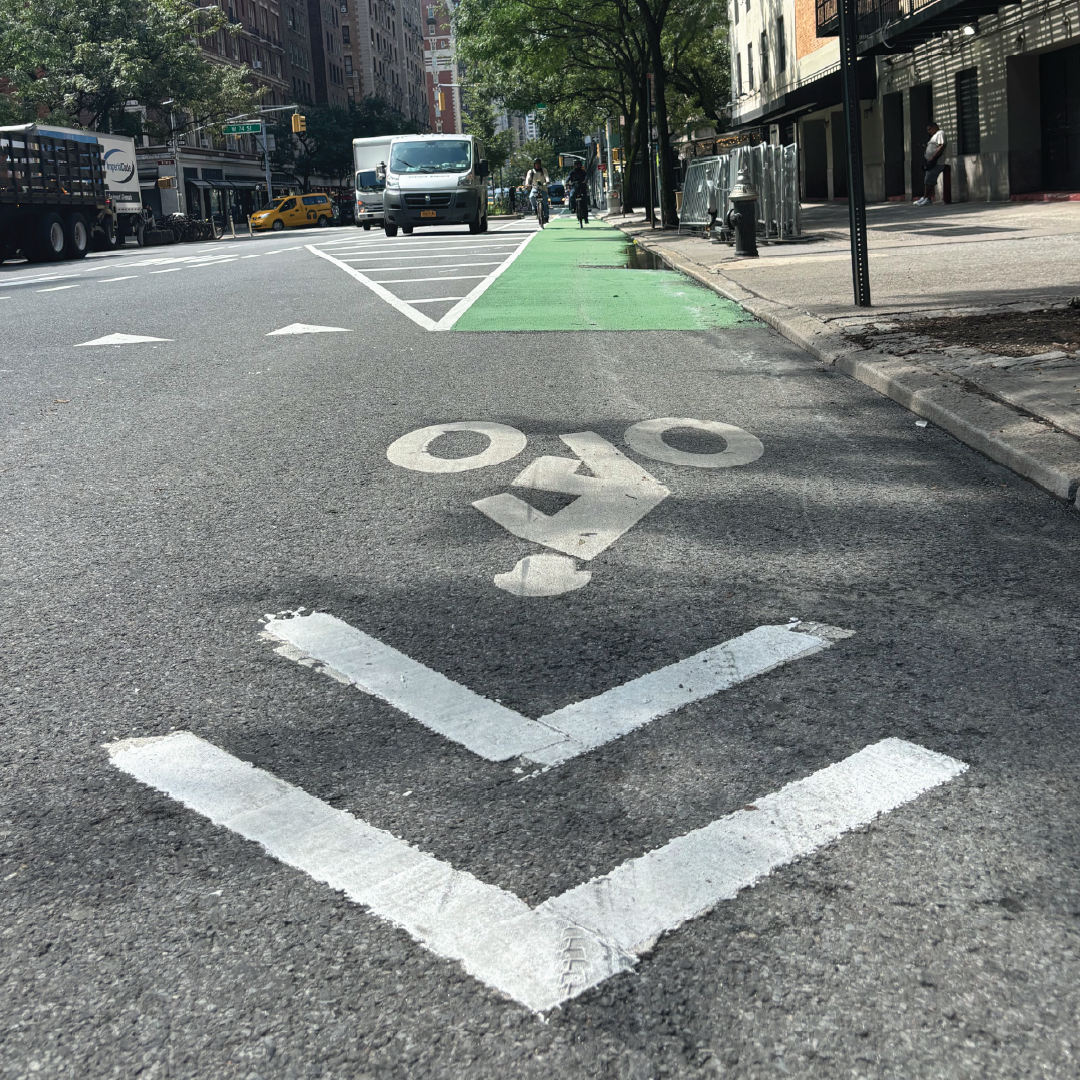
Field Note 0.1.1 • Micromobility • Upper West Side • NYC
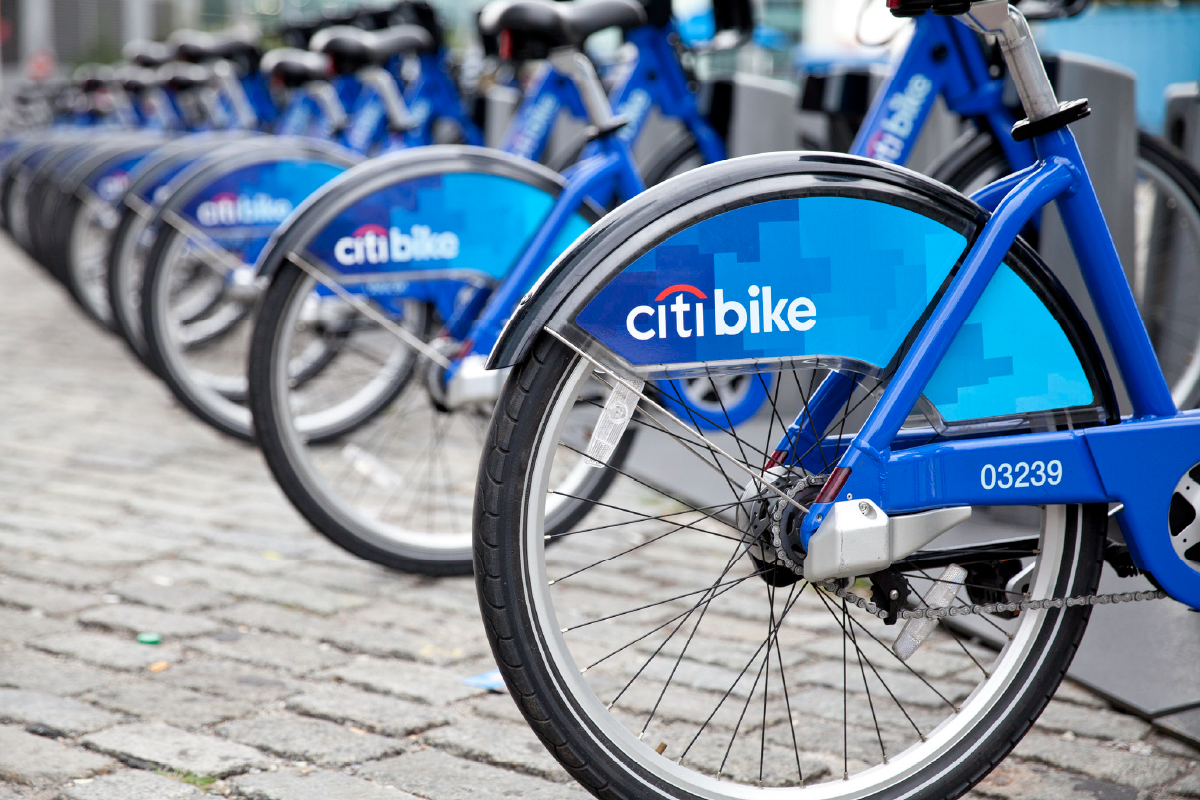
Citigroup became the founding sponsor of Citi Bike in 2013, securing the naming rights that gave the system its now-iconic identity. The partnership helped launch what has grown into North America’s largest bikeshare network — now with more than 35,000 bikes and approximately 2,300 docking stations across New York City, Jersey City, and Hoboken. In 2025 alone, the system recorded more than 46 million rides.
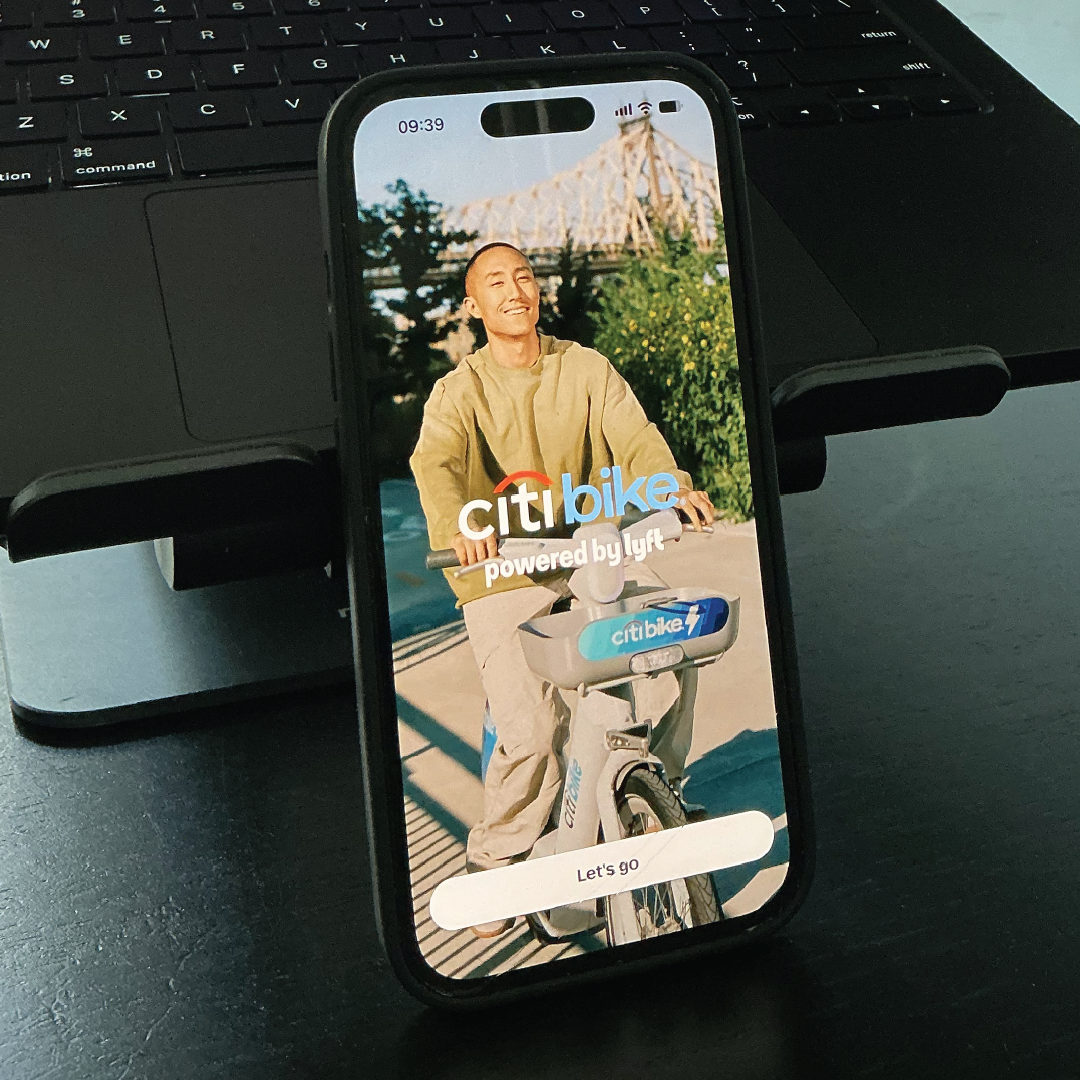
Today, Citi Bike, operated by Lyft Urban Solutions is deeply woven into New York’s transportation ecosystem — supporting commuting, reducing car trips, and expanding access to lower-carbon urban mobility at an increasingly citywide scale.
According to Lyft, Urban Solutions operates and powers its bikeshare technology across 16 countries and more than 55 cities globally (October 2026).
Challenges remain around equitable access, affordability, bike availability, and rider safety. Continued expansion into underserved neighborhoods, particularly in the outer boroughs, along with more connected, protected bike lanes, will make the system accessible and safer for more New Yorkers.
Encouragingly, an October 15, 2026 Mayor’s Office announcement reported the addition of more than 230 stations and 3,700 docking ports across seven neighborhoods in Brooklyn, Queens, and the Bronx.
Continued investment in affordable memberships and reliable service will help Citi Bike realize its potential as a truly citywide, lower-carbon mobility system.
Chase sponsors the Knicks, Citizens Bank sponsors the NYC Marathon, and Citi sponsors Citi Bike — three financial institutions building brand visibility through high-profile NYC partnerships.
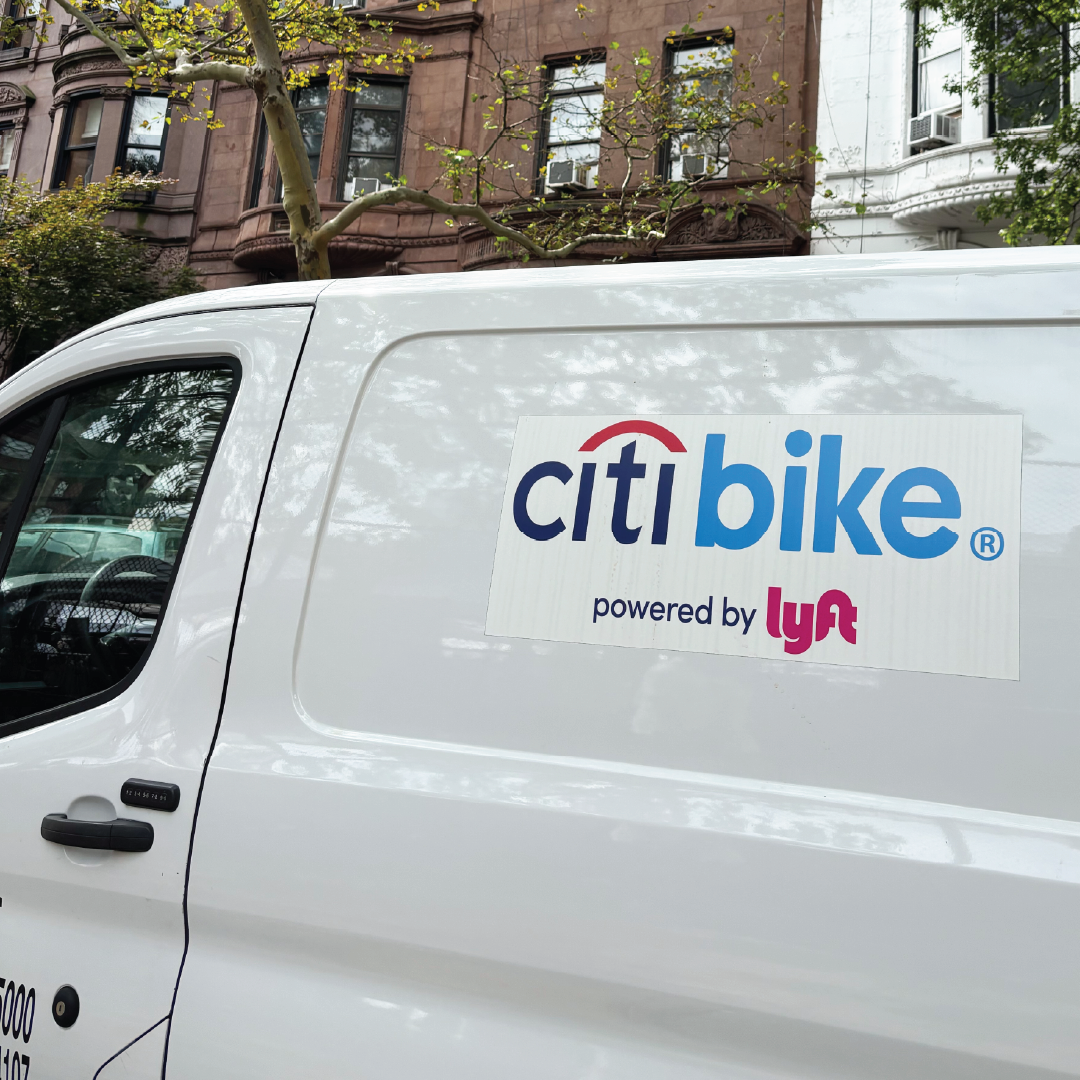
Consistent station identity, wayfinding, and digital interface all make a complex system legible and approachable. Information and promotion displays (often powered by onsite solar panels), branded re-balancing vehicles, and a GPS-enabled user app round out the public-facing communication of this exemplary program.
10.19.26
•••
This post is an entry in Creative Toolbox • Signals of Better: Looking for What’s Working — a project tasked to communicate how we can imagine, plan, design, build, and activate cities as living systems that are healthy, resilient, and regenerative.